

What Do Rubber Bands Do for Braces? How Orthodontic Elastics Help Your Bite
If you wear braces, your orthodontist may ask you to wear small rubber bands called orthodontic elastics. A common question patients ask is what do rubber bands do for braces, and the answer plays an important role in how your bite is corrected.
Although they may seem small, rubber bands play a big role in guiding how your teeth and jaw align. When worn as instructed, elastics help correct bite issues and ensure your braces work as efficiently as possible.
Let’s take a closer look at how these tiny tools help create a healthier, more balanced smile.
What Are Rubber Bands for Braces?
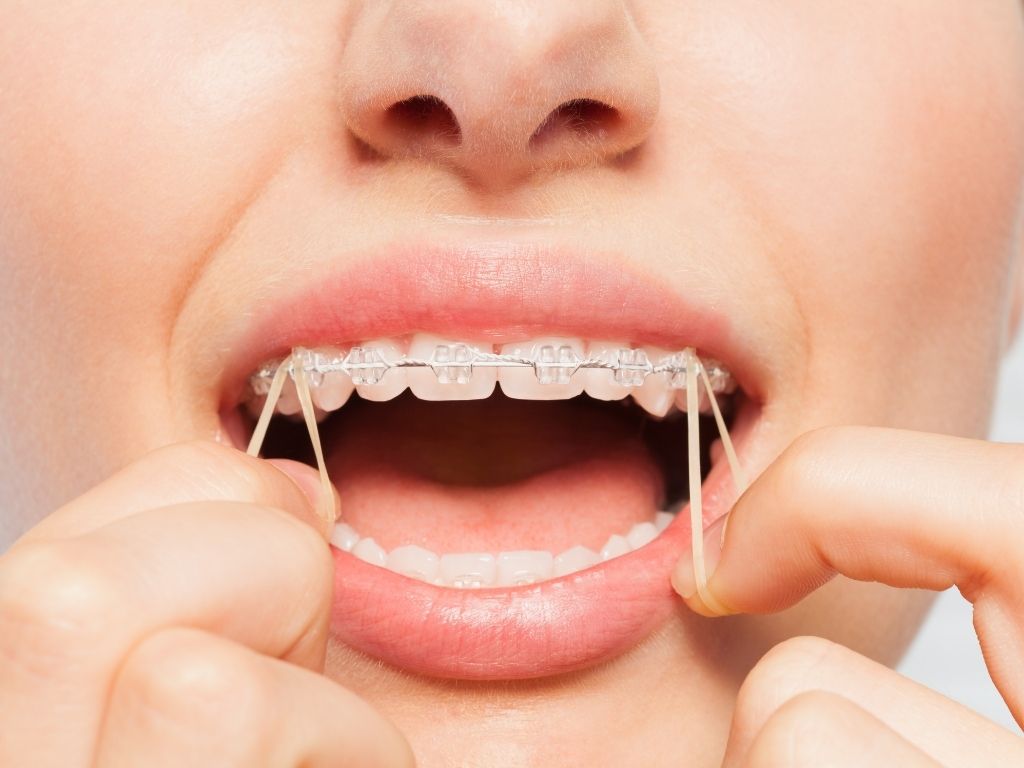
Rubber bands for braces, also called orthodontic elastics, are small stretchy bands that attach to hooks on your brackets or wires. Unlike the tiny colored ligatures that hold the archwire in place, these elastics connect between the upper and lower teeth.
Their purpose is to apply gentle, continuous pressure that helps guide your teeth and jaw into the correct position over time.
What Do Rubber Bands Do for Braces?
Braces straighten individual teeth, but rubber bands help correct the way your upper and lower teeth fit together, also known as your bite.
Orthodontic elastics may be used to help:
- Correct overbites
- Improve underbites
- Fix crossbites
- Align the upper and lower dental arches
By applying consistent pressure between specific teeth, rubber bands encourage your jaw and teeth to move into proper alignment. This helps create a bite that is both comfortable and functional.
Why Your Orthodontist May Prescribe Rubber Bands
Not every braces patient needs elastics, but they are commonly used during certain phases of orthodontic treatment. Your orthodontist carefully determines when they are needed and exactly how they should be worn.
Rubber bands may be introduced once your teeth have started aligning and your orthodontist is ready to begin refining your bite. Because every smile is unique, the placement and strength of elastics are customized for each patient.
Following your orthodontist’s instructions closely helps keep your treatment progressing on schedule.
Different Types of Orthodontic Elastics
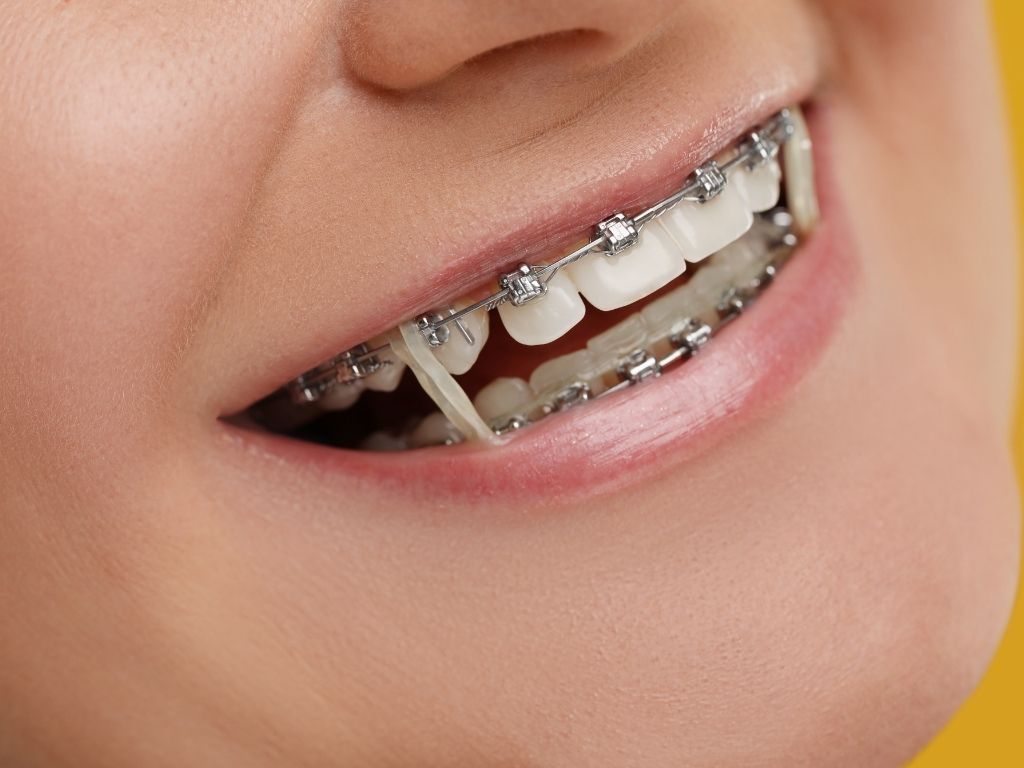
Orthodontic rubber bands come in different sizes and strengths depending on the type of correction needed. Some elastics are designed to create stronger forces, while others apply lighter pressure for more subtle adjustments.
Your orthodontist may also show you specific ways to place the bands, such as connecting a top tooth to a bottom tooth or forming small triangular patterns between brackets. Each configuration is designed to guide your bite into the correct alignment.
When and How to Wear Rubber Bands
For elastics to work properly, they must be worn consistently. Most patients are instructed to wear rubber bands for the majority of the day, removing them only for eating, brushing, and flossing.
It’s also important to replace elastics regularly because they lose their strength as they stretch throughout the day. Fresh rubber bands maintain the steady pressure needed to move teeth and adjust your bite effectively.
Skipping days or forgetting to wear your elastics can slow progress and may extend your treatment time.
Tips for Staying Consistent With Elastics
Getting used to rubber bands may take a few days, but most patients adjust quickly. Keeping a few extra elastics with you can make it easier to replace them after meals or if one breaks.
Many patients find it helpful to build the habit into their daily routine, such as putting on new elastics after brushing their teeth. The more consistently you wear them, the faster and more efficiently your treatment can progress.
Small Bands, Big Impact on Your Smile
Rubber bands may seem like a small part of your braces treatment, but they play a powerful role in correcting bite alignment and creating a healthy, balanced smile.
At Outstanding Orthodontics, we carefully design each treatment plan to deliver the best possible results. If your orthodontist recommends elastics, wearing them as directed helps ensure your braces work exactly as intended.
If you have questions about elastics, braces care, or orthodontic treatment options, contact Outstanding Orthodontics today. Our team is here to support you every step of the way on your smile journey.